Most people choose fonts for how they look. Teachers, course creators, and anyone who writes study materials have another question to answer: does the font change how well people learn? The short answer is yes, but not always in the way you might expect. Readability matters enormously, and a few studies even suggest that a little difficulty can help memory. Here is what we know and how to apply it.
Readability Comes First
Before a reader can remember anything, they have to read it comfortably. Text that is too small, too light, too tightly spaced, or set in an unusual decorative font slows people down and tires their eyes. When reading takes effort just to decode the letters, there is less attention left for understanding the content.
The basics of readable text are well established:
- A comfortable size, usually 16px or more on screens and 11 to 12pt in print.
- Line spacing around 1.4 to 1.6 times the font size.
- Lines of about 50 to 75 characters, so the eye does not get lost.
- Strong contrast between text and background.
- A clear, familiar typeface for long passages.
The “Desirable Difficulty” Idea
Some researchers have explored a surprising idea: text that is slightly harder to read might be remembered better. The theory is that an unfamiliar font makes readers slow down and process information more carefully. A well-known study from around 2011 reported that students remembered more when material was presented in less common fonts.
Later studies have produced mixed results, and many failed to repeat the effect. The safest conclusion is that any benefit is small and depends on context. It is not a reason to set a whole textbook in a hard-to-read font. Making text difficult can just as easily make people skip it.
Using Fonts to Help Memory
Fonts can still support learning in reliable ways when they are used to organize information rather than to make it harder:
Create a clear hierarchy
Distinct heading styles help learners understand how ideas relate to each other. When chapter titles, section headings, and subheadings look different and consistent, readers build a mental map of the material.
Highlight key terms sparingly
Bold or a contrasting font for key terms helps them stand out and stick. If everything is highlighted, nothing is.
Use a distinctive font for memorable moments
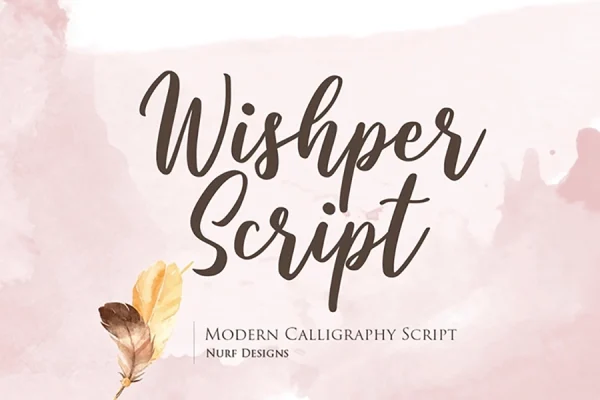
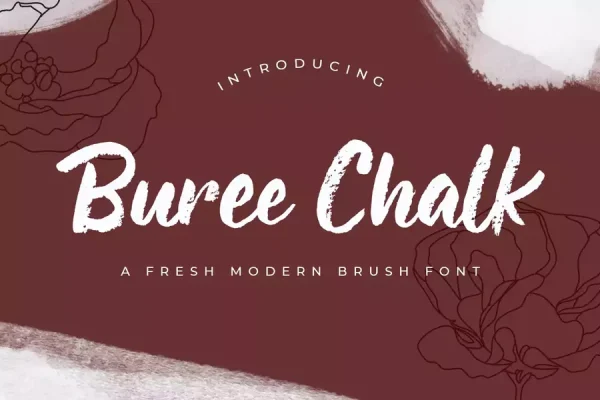
A short quote, a rule to remember, or a chapter opener in a characterful font can act as a visual anchor. A friendly handwritten style like Wishper Script or the chalkboard feel of Buree Chalk works well for classroom posters, flashcards, and slide titles.
Keep body text simple
For paragraphs, use a clean, familiar font. Save decorative styles for headings and short phrases.
Fonts for Teaching Materials
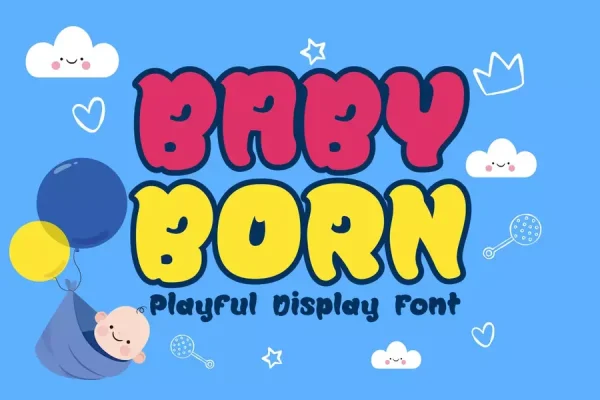
- Worksheets and slides for young learners: rounded, friendly lettering such as Baby Born or Boorush for titles, paired with a simple sans serif for instructions.
- Classroom posters and boards: Buree Chalk for an authentic chalkboard look.
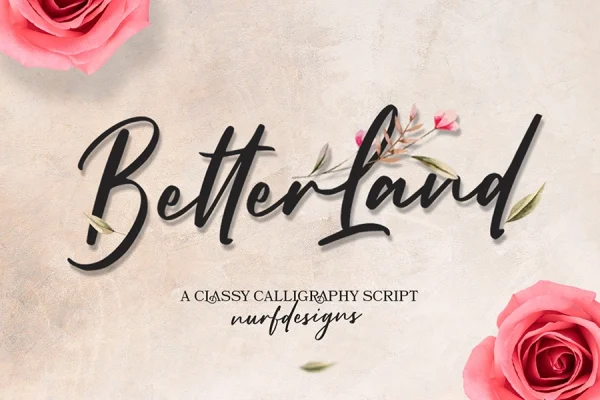
- Notes and journaling templates: Better Land or Allanis for a personal, handwritten touch.
- Body text: a readable sans serif such as Raghill.
For more on choosing sizes and weights that support reading, see our guide to font sizes and styles.
Fonts and Learning Differences
Readers with dyslexia or visual impairments benefit from the same principles: larger text, generous spacing, left-aligned paragraphs, and avoiding italics or all-caps for long passages. Specialized “dyslexia fonts” exist, but research on them is mixed. Good spacing and size often help more than a particular typeface.
Frequently Asked Questions
Which font is best for studying?
A clear, familiar font with comfortable size and spacing. Readability matters more than any specific typeface.
Do hard-to-read fonts improve memory?
Some early studies suggested a small benefit, but later research has not consistently confirmed it. Do not sacrifice readability in the hope of better recall.
Can decorative fonts be used in educational materials?
Yes, for titles, short phrases, and visual anchors. Keep paragraphs and instructions in a simple, readable font.